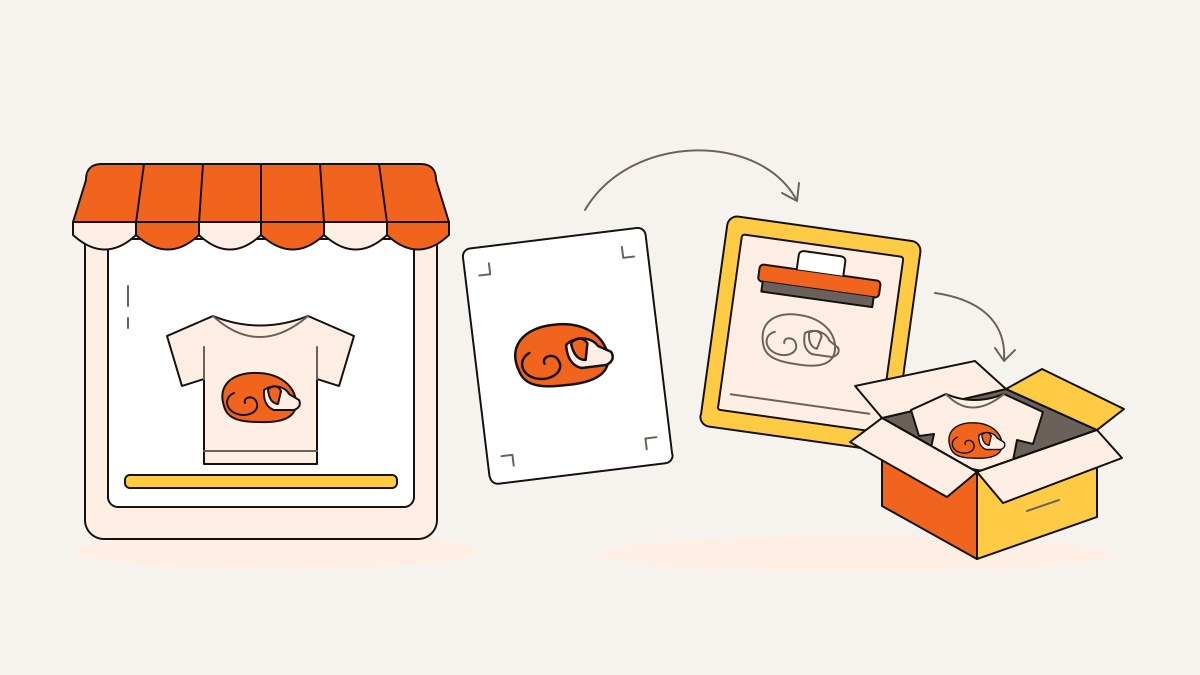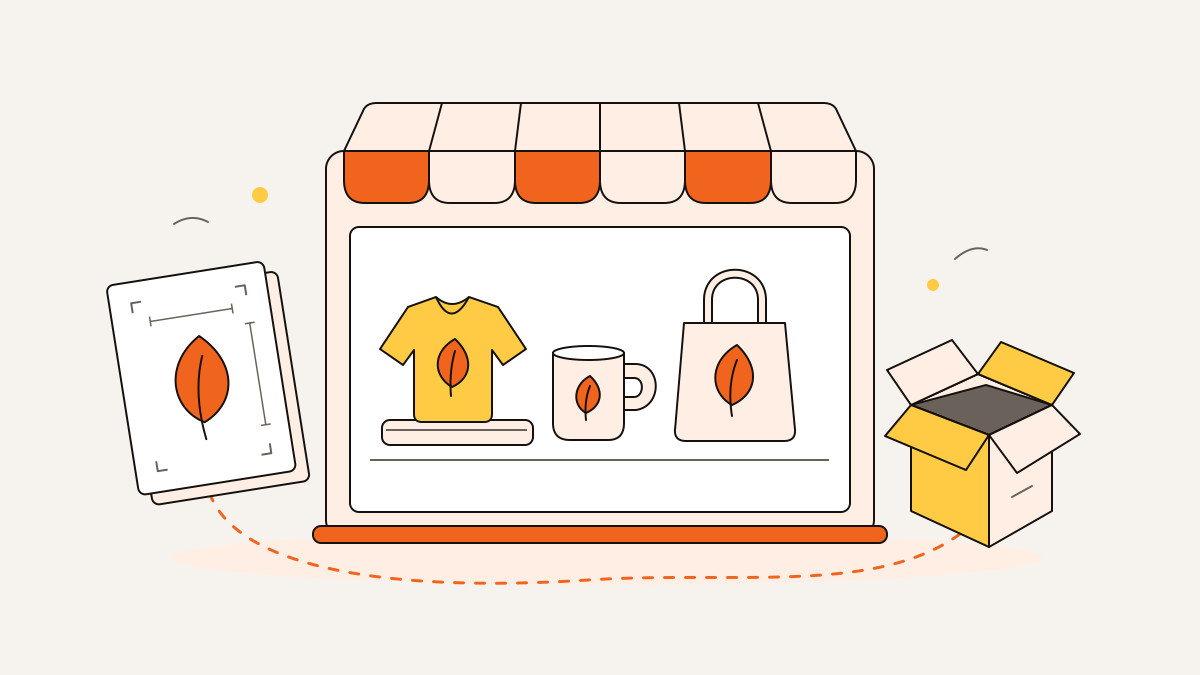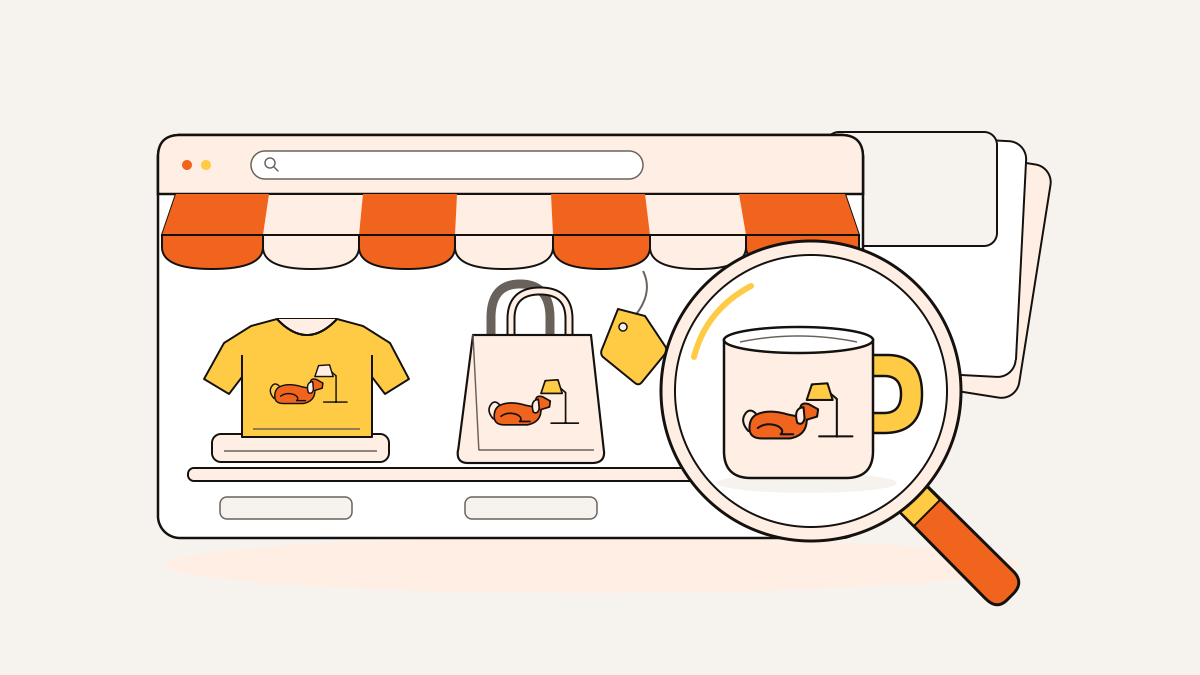
The best print on demand niches to start with in 2026 are personalized pet gifts, wedding and anniversary gifts, family heritage prints, nursery décor, faith-based décor, hobby gifts, healthcare apparel, and remote-worker gifts. Print on demand means products are made when someone orders them.
Start with an audience you understand. Choose custom options you can reliably deliver, such as adding a buyer’s name. A clear reason to buy, like a wedding, gives you more focus than a general product catalog.
For each niche, consider who’s buying and the occasion they’re shopping for. Which products fit? How much work will each custom order take, and does that suit you?
Say you sell dachshund-office-humor products. You’ll work through a specific decision about a listing, then use a short shop checklist to plan this week’s work.
Why a specific buyer beats a broad product category
Etsy matches buyer searches with relevant listings. A useful niche tells you who you’re selling to and why they’d buy, so you can build your listing around both.
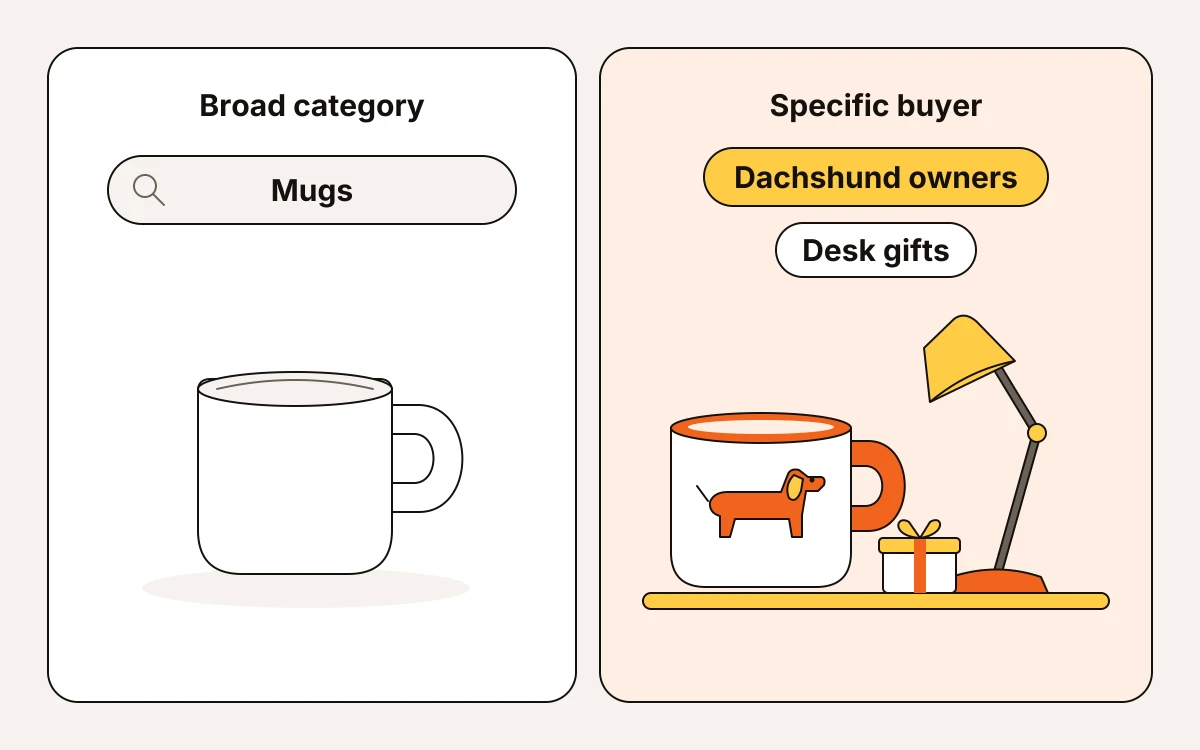
“Mugs” names the item. “Desk gifts for dachshund owners” tells you who’s buying and where the gift belongs. With that focus, your listing language, photos, and offer can tell the same story. A recognizable dog illustration fits the buyer’s interest; a desk setting and wording suited to a coworker gift help them picture giving it. You’re giving the buyer less to figure out.
Pets, family, jobs, and hobbies are evergreen starting points because identities and gifting occasions persist. They’re also crowded. Look for a specific offer you can make distinct within the category. A broad category alone gives you no reason to expect low competition.
If you want a collection you can keep refining, start with an evergreen identity. If the appeal depends on a passing joke or look, test it faster, while buyers still care.
Eight niches worth building a focused collection around
Choose custom artwork if you have time for buyer details and revisions. If production time is tight, apparel or mugs with fixed designs are a better fit. Each of these eight options gives you a specific buyer to build a focused collection around.
- Pet portraits: custom prints for devoted owners. Your buyers are celebrating an adoption anniversary or giving a pet owner a birthday gift. Illustrated pet prints work well if you can turn customer photos into artwork with a consistent style. You’ll need clear, usable photos and accurate pet markings. Allow time to make corrections, too.
- Wedding and anniversary gifts: venue maps and dated artwork. Your buyers are spouses shopping for first-anniversary gifts and couples remembering their wedding venue. Maps of the venue and artwork with names and a wedding date suit detail-oriented illustrators. A layout you can reuse saves work. Every order still needs checks for location, spelling, and date.
- Family heritage: surname prints for family milestones. Your buyers include adult children buying for parents and relatives organizing reunions. Families celebrating a new home are another audience. If you’re comfortable arranging text and organizing layouts, consider surname prints featuring a family’s last name. Artwork showing when a family was established and family trees are other options. Reusable surname layouts keep custom work manageable. Family trees take more information checking.
- Nursery décor: coordinated personalized art sets. Focus on parents decorating a nursery and relatives buying baby-shower gifts. Prints with a child’s name work well if your colors and illustration styles stay consistent across a set. A fixed layout helps limit revisions. So do clear limits on which details buyers can change.
- Faith-based décor: verse-specific prints. Buyers may be marking a baptism, encouraging a loved one, or decorating a prayer space. A Joshua 1:9 print gives you a clearer starting offer than a broad range of faith products. Fixed verse designs need little custom work for each order. They suit you if arranging text is your strength and you understand the audience. Check permissions for your chosen Bible translation before printing its wording.
- Hobby gifts: knitting mugs and sewing-studio signs. Friends and relatives shop for a crafter’s birthday, while makers buy for their own workspace. Knitting mugs and sewing-studio signs are a good fit if you know the terms and jokes. Fixed sayings keep the workload low. Adding a maker’s name adds a small amount of custom work.
- Healthcare apparel: night-shift shirts. Focus on night-shift workers buying for themselves or coworkers choosing team gifts. These shirts need easy-to-read text and humor that fits the workplace. Fixed designs are simpler to produce and ship than team orders with a different name on each shirt.
- Remote-worker gifts: time-zone mugs and laptop sleeves. Your buyers are teammates working in different locations who are shopping for coworker gifts. Friends celebrating a new remote job are buyers, too. Mugs with time-zone humor suit writers who can keep wording short. Laptop sleeves with designs for specific job roles suit graphic designers. Start with fixed designs; custom cities and schedules add detail checking.
Choose your starting niche by skills, time, and product fit
- Start with audiences whose language you already understand. You’ll have a better starting point for specific jokes, gift messages, and design details. For healthcare clothing, use terms tied to a job only when you understand that role.
- Choose personalization, such as adding names or dates, if your schedule can handle it. Names and dates work well in templates you can reuse. Portraits take more artwork and more time talking with customers. If you can’t reliably fit changes around your day job, start with fixed designs. These stay the same for each buyer. Personalization can support a higher price, so make sure that price pays for the extra work.
- For T-shirts, favor designs that reflect who someone is over generic slogans chosen for their look. A hobby, occupation, local community, or shared experience gives someone a reason to wear the design. Your lettering should make that connection clear at a glance.
Before you build a collection, check whether your planned price covers all your costs. Include printing, shipping, Etsy fees, and the time you spend on custom changes. A personalized portrait and a shirt with fixed text need different prices. That’s true even when they serve the same buyer.
The print-on-demand (POD) pricing guide covers the full cost calculation. The niche-finding guide helps you learn about your chosen audience. Keep your first offer in line with your shop’s price range and design style. It should also fit the products you already sell.
Build one dachshund-office-humor listing before expanding
Say you sell mugs for dachshund-loving office workers. Start with one coworker gift that uses the same design for every order. Then let buyer response guide whether you build a collection.
Compare “dog mug,” “dachshund mug,” and “dachshund office mug” with eMarketInsight’s free Etsy keyword research tool. Look at buyer interest, competing listings, prices, and top sellers. The tool gauges buyer interest through listing views, favorites, and purchases. Etsy publishes no search volume, or count of searches, so any Etsy search number is an estimate.
Competing listings help you judge whether the phrase fits your mug. If the specific phrase brings up office-themed dachshund gifts, compare their designs and prices with yours. If you mostly see general pet gifts, try “dachshund coworker gift” before choosing your wording. Use the more specific phrase when views, favorites, and purchases on matching listings support it.
For the design, use a dachshund stretched beneath a desk with the line “Long dog. Longer meeting.” Keep it non-personalized, with no custom details, so each order doesn’t need artwork edits.
For this first test, choose “dachshund office mug” because it describes the dog, setting, and product in your design. Use it in a draft title, then compare the phrases before publishing:
Dachshund Office Mug, Sarcastic Coworker Gift, Dog-Lover Coffee Cup.
Place the listing in a relevant shop section, which groups similar items in your shop. “Office Humor Gifts” works if it fits the products you already sell.
Before adding more designs, use the listing’s response to choose your next step:
- No views: check whether the search phrase fits your mug and what competing listings offer.
- Views but no favorites or purchases: check the first photo, how easily buyers can read the joke, and price.
- Favorites but no purchases: check shipping cost and delivery timing.
- Purchases: consider a related design for the same buyer.
Avoid the shortcuts that make a niche expensive
Even a sensible niche can cost you money. Before expanding your collection, check your profit, rights to use artwork, and return costs.
- Higher selling prices don’t guarantee higher profits. Hoodies typically cost more to produce than T-shirts. Before choosing your product, work out how much of the selling price you’ll keep. Subtract production costs, shipping you pay for, Etsy fees and Etsy Payments fees for processing payments. Then subtract advertising, discounts, refunds, and any other costs that apply.
- Before publishing, check whether your artwork or phrases conflict with trademarks, which protect brand names and symbols. Also check for fandom references you don’t have permission to use. If you lack permission to use protected material, replace it before building a collection around it.
- Before choosing apparel, read your provider’s terms for returns due to sizing. Your print-on-demand provider, which prints products as orders come in, may refuse wrong-size returns. Find out who pays for a replacement before setting your shop’s return policy.
- Give your collection a consistent style instead of chasing a pile of trends. Keep the same colors, texture, and layout grid: the way you arrange the design’s parts. Vary the artwork and wording. Related designs will feel recognizable without making every listing look identical.
Your shop checklist for this week
Publish a focused collection you can manage. Then improve its weak listings before adding more designs.
- [ ] Choose one audience and occasion. Your dachshund-office-humor collection needs a clear buying reason, such as a coworker’s birthday.
- [ ] Group related listings in one shop section, a category within your shop. A small collection can offer different messages for the same buyer. Keep personalization within the time you actually have.
- [ ] Check each first photo on your phone. The main text should be easy to read in the small preview image. If you need to zoom, enlarge the design or simplify the wording before publishing.
- [ ] Record views, favorites, and orders for each listing, then use the checks above to choose one change before expanding.